The CMEGenius Blog
Loading…
 |
|
© 2026 CMEGenius. All rights reserved.
|© 2026 CMEGenius. All rights reserved.
|© 2026 CMEGenius. All rights reserved.
By Lauren Barron, LMS Marketing

In today's changing education field, Learning Management Systems (LMS) have become essential tools for organizations and institutions that want to deliver effective and efficient training programs. An LMS serves as a centralized platform that handles the administration, documentation, tracking, reporting, and delivery of educational courses or training programs. Understanding the essential features of an LMS is important for selecting a system that fits your organization's goals. In this article, we'll look at key LMS system features and show how CMEGenius provides these functions.
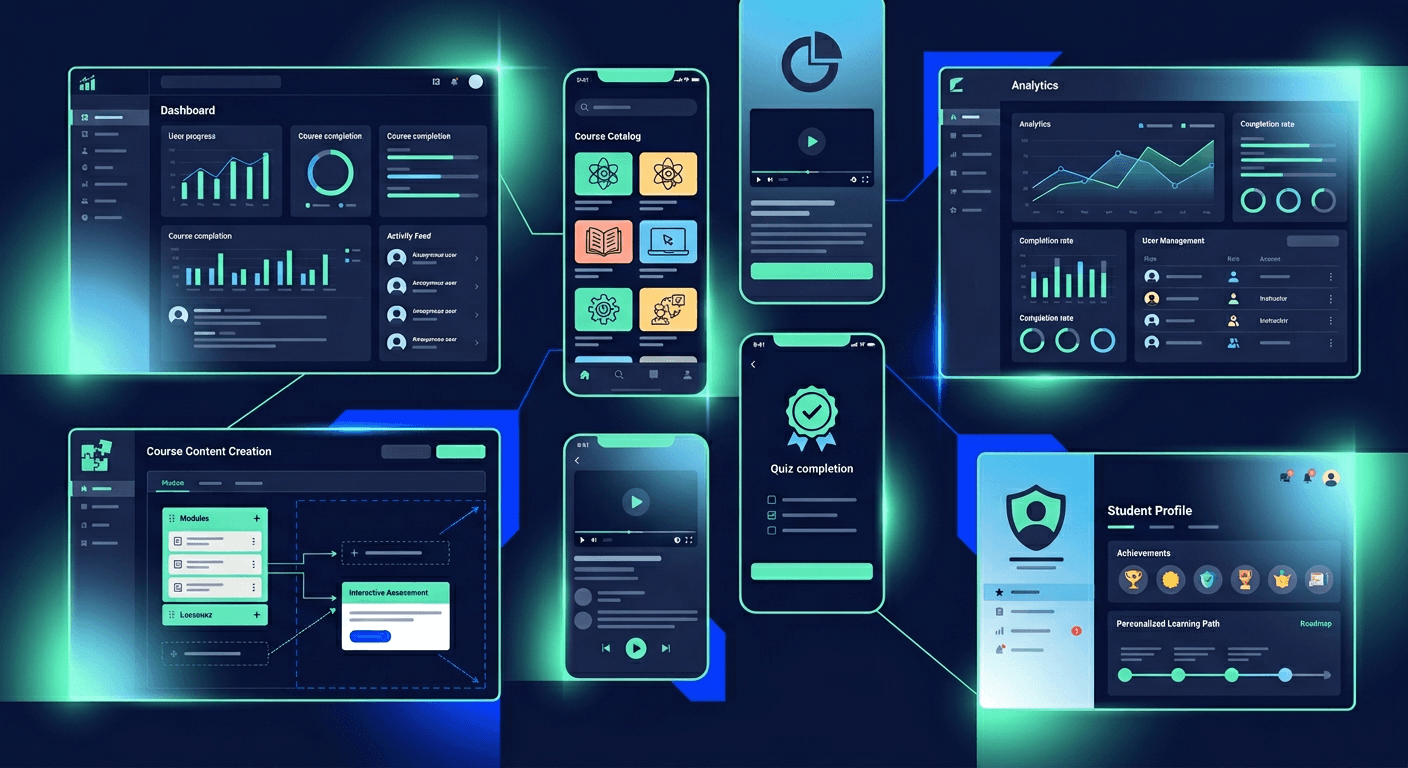
A good LMS should offer easy tools for creating and managing course content. This includes the ability to upload various media types, organize materials into modules, and update content as needed. CMEGenius does well in this area with its Course Builder Tool, which lets educators build engaging courses easily. Features like Drag and Drop Contentand a Rich Text Editor improve the content creation process and make it accessible even to those with limited technical expertise.
With the increasing use of mobile devices, an LMS must support mobile learning to ensure learners can access content anytime, anywhere. While specific details about CMEGenius's mobile capabilities aren't provided in the available information, modern LMS platforms typically offer responsive designs or dedicated mobile apps to facilitate learning on the go.
Effective tracking of learner progress and course effectiveness is important. An LMS should provide built-in reporting and dashboards to monitor engagement, completion rates, and assessment scores. CMEGenius offers Reporting & Analytics features, enabling administrators to gain insights into learner performance and make data-driven decisions to improve training programs.
Assessments are key to measuring learning outcomes. An LMS should support the creation of various assessment types, such as quizzes, assignments, and surveys. CMEGenius includes a Quiz Builder feature, allowing educators to design custom assessments that reinforce learning objectives and evaluate learner comprehension effectively.
Integration with other systems, such as Customer Relationship Management (CRM) tools, e-commerce platforms, and content repositories, improves the LMS's functionality. While specific integrations for CMEGenius aren't detailed in the provided information, the platform's features suggest a focus on interoperability to simplify administrative tasks and provide a cohesive learning experience.
Combining online and offline learning methods, known as blended learning, fits diverse learning preferences. An LMS should support this approach by managing in-person events alongside online modules. CMEGenius offers an Event Builder Tool and Event Registrant Management, which help organize live training sessions and workshops along with digital courses.
For industries requiring certifications, an LMS must handle and track these credentials efficiently. CMEGenius is designed for Continuing Medical Education (CME) providers and offers ACCME Education Program Manager features that ensure compliance with accreditation standards and simplify the certification process for learners.
Managing user roles and permissions is key to maintaining the integrity and organization of the learning environment. An LMS should allow administrators to assign roles such as learners, instructors, and managers, each with specific access levels. While specific details about CMEGenius's user management features aren't provided, effective user role management is a standard function in modern LMS platforms.
Encouraging interaction among learners builds a community of practice and improves the learning experience. Features like discussion forums, chat rooms, and peer review systems support social learning. Although specific social learning features of CMEGenius aren't detailed in the available information, adding such tools can greatly improve the educational process.
For organizations looking to monetize their courses, e-commerce capabilities are important. CMEGenius provides Course Monetization & Payment Processing, Membership-Based Enrollment, and Individual Course Offerings, enabling easy selling and distribution of courses to a broader audience.
Selecting an LMS with features that fit your organization's needs is important for delivering effective training programs. CMEGenius provides an effective LMS by offering a set of tools designed to simplify course creation, manage learner engagement, and ensure compliance with industry standards. It is a strong choice for organizations seeking a full learning management solution.
Continue exploring with these related articles and insights
|© 2026 CMEGenius. All rights reserved.